Few inshore fish offer the same level of challenge of a cobia. Scratch that—make it none do.
Cobia get big enough, are tough enough, and are tasty enough that they’d count as a prime target for offshore anglers if they lived offshore—so when you want to target big game but don’t have the time or ability to head for bluewater, put ‘em in the bullseye. Here are three top tactics for hooking up, and three tips for each.
1. Sight Fishing – Virtually all anglers would say that this is the most exciting way to target cobia. You have to spot them with the naked eye, cast to the target with accuracy, then tempt them into attacking, all while using relatively light gear. For pure adrenaline-jolting action it just can’t be beat and more than one angler has found themselves standing on the deck with their hands shaking, wondering what went wrong—or what went right.
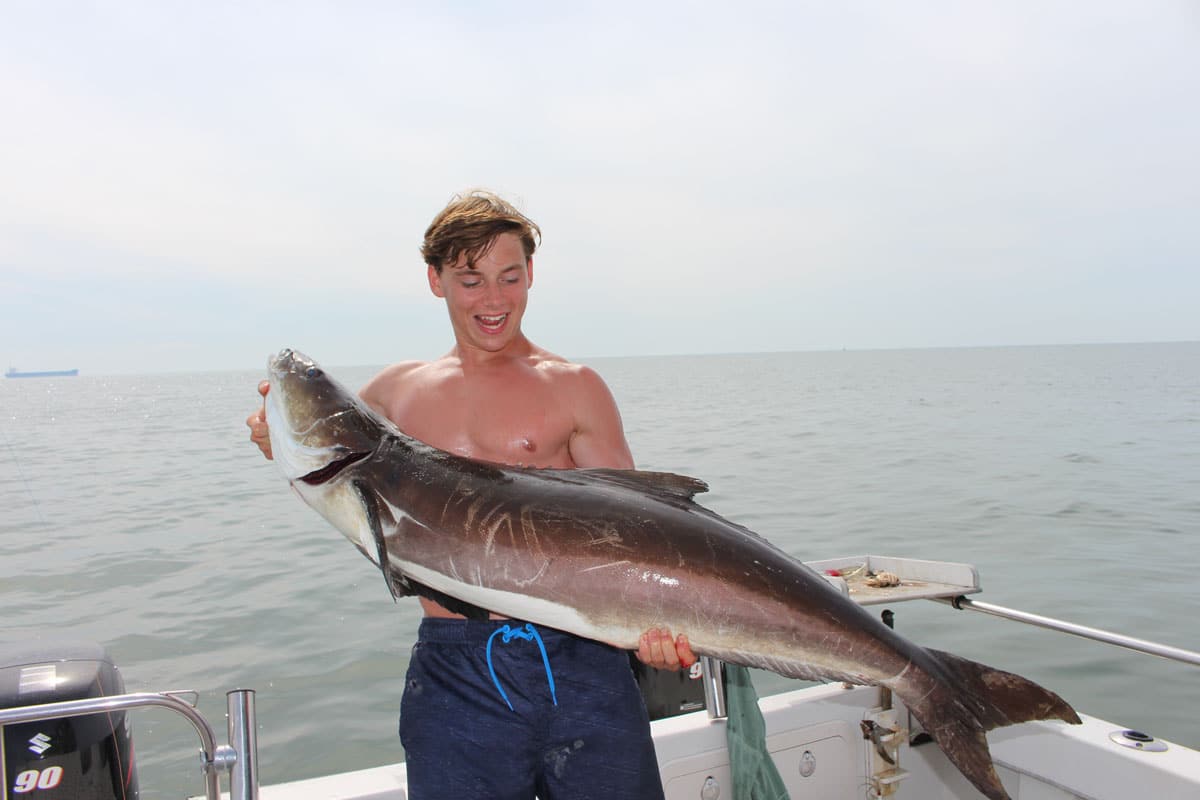
On the flip side of the coin, conditions have to be ideal for sight fishing to be effective. Heavy cloud cover, rough seas, or a sun low in the sky will make spotting fish extremely difficult. Plus, there’s plenty to go wrong and quite often that’s exactly how it goes. Failing to find fish, finding them and failing to generate bites, or hooking up and failing to land the fish are all common. To stack the deck in your favor:
· Fish from a boat with a tower. Period. You’ll spot 10 times as many fish from an elevated position and standing on coolers or strapping a ladder to the T-top doesn’t work well (and is dangerous).
· Have multiple rods rigged and ready with multiple offerings—live eels, different color plastics or jigs, swim baits, and/or twitchbaits. Every angler on the boat should be tossing something completely different until and unless you’ve identified what the fish want.
· When one fish gets hooked up another angler should remain on standby, ready to cast. Cobia usually travel in pods and a hooked fish will often get followed, presenting the opportunity for multiples.
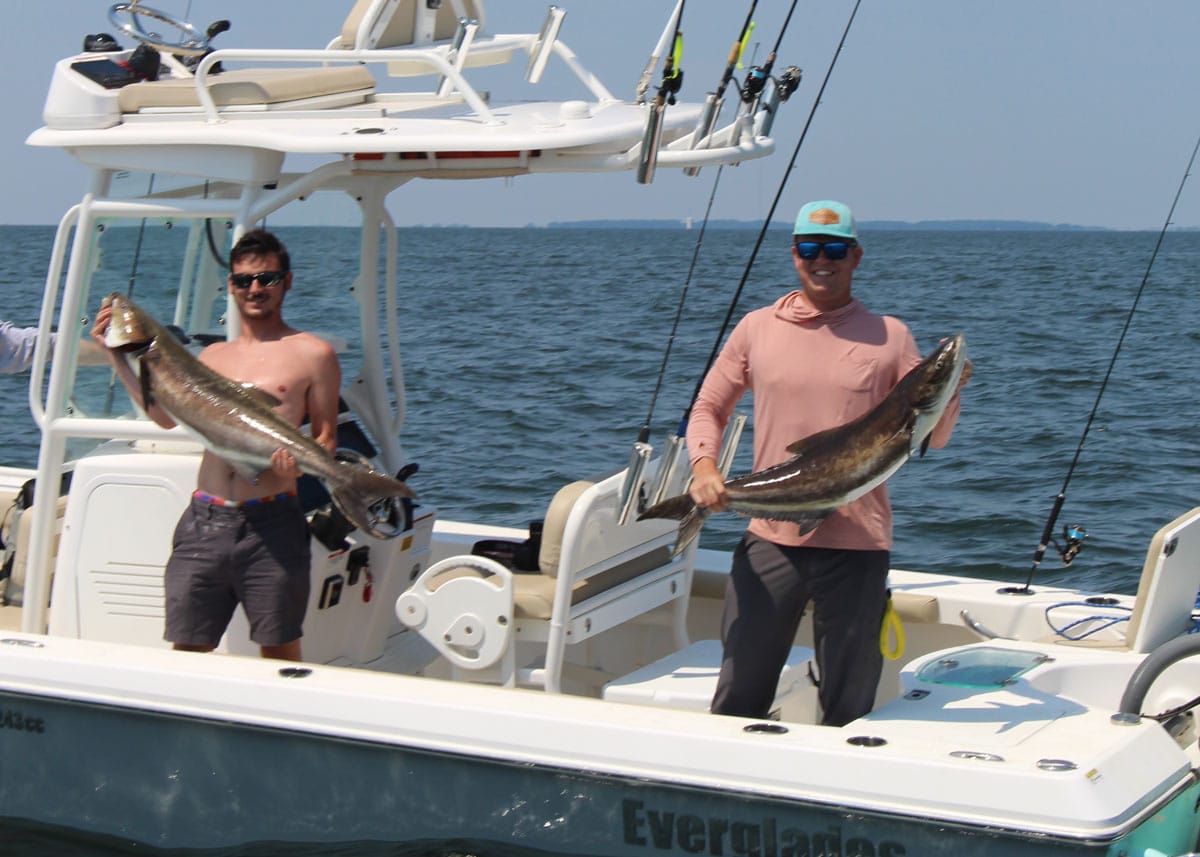
2. Chumming – This is probably the easiest way to catch cobia, and it allows for the use of whatever sized gear you’d like. The big drawback is that you’ll almost certainly be plagued by sharks, rays, and skates taking the bait. If bluefish are around you can plan on reeling back plenty of half-eels, too.
· Set the chum (usually menhaden) just a foot or two off bottom in a weighted cage or pot, and fish a couple of baits as close to it as possible. Watch out for the line during hook-ups, because if the fish tangles the chum-pot rope during the fight it’s a goner. Fish a mix of live eels and menhaden chunks. Some days both will get hit but it’s not uncommon for one to outshine the other on any given day and you never know which it will be.
· Target the last hour and a half of the tidal cycle, and the first hour after the change of the tide. Outside of this window you’ll usually just do a lot of sitting around and waiting. Sharpies often chum during this timeframe and switch to a different tactic outside of it.
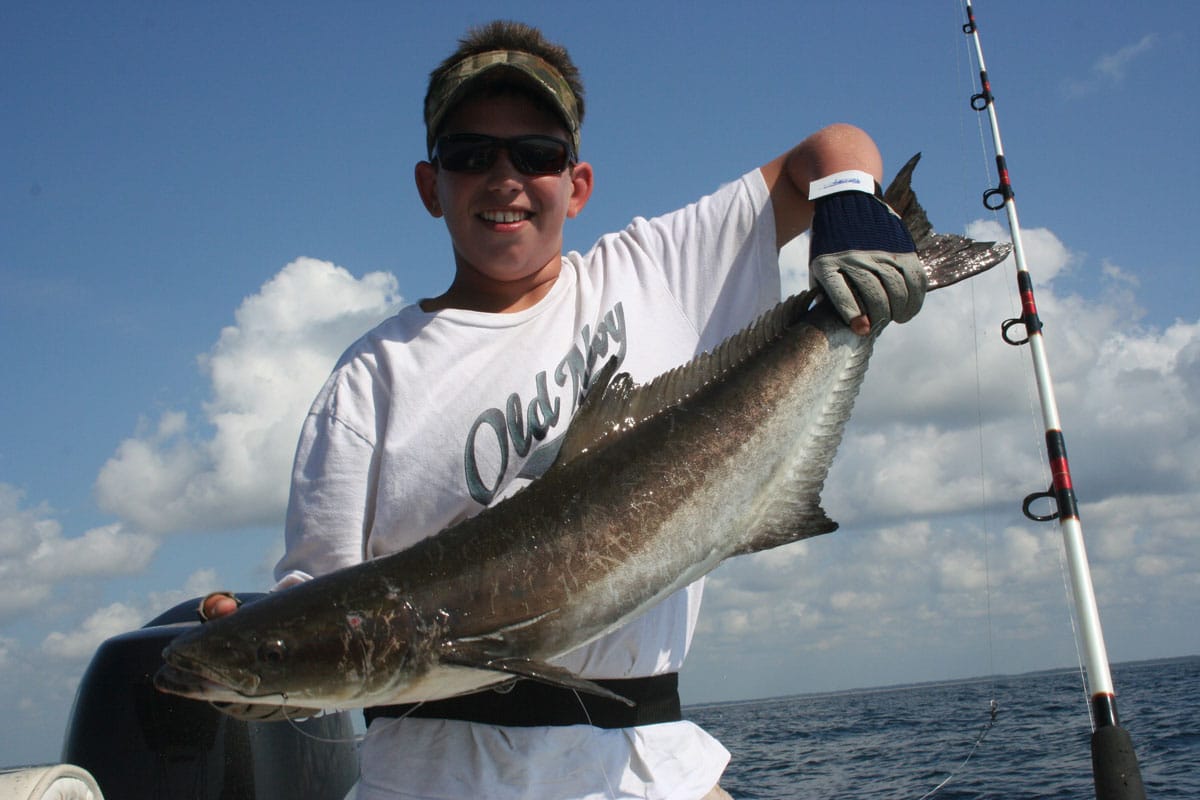
3. Trolling Tubes – Cobia will hit trolled lures of many different types, but nothing out-catches surgical hose tubes pulled behind planers. If you don’t have access to a tower boat, the conditions are poor for sight fishing, or chumming doesn’t appeal to you, this is the move. It’s also a good bet when the cobia are scattered over large areas and you simply don’t know where they’ll be located, since it allows you to cover a ton of ground.
The downside to trolling tubes behind planers, especially with heavier gear, is that it does take a lot of the fight out of a fish. It also feels downright insulting when you’re trolling around without getting hits and you spot a fish on the surface, but can’t cast to it since you’re moving along with all those lines out back.
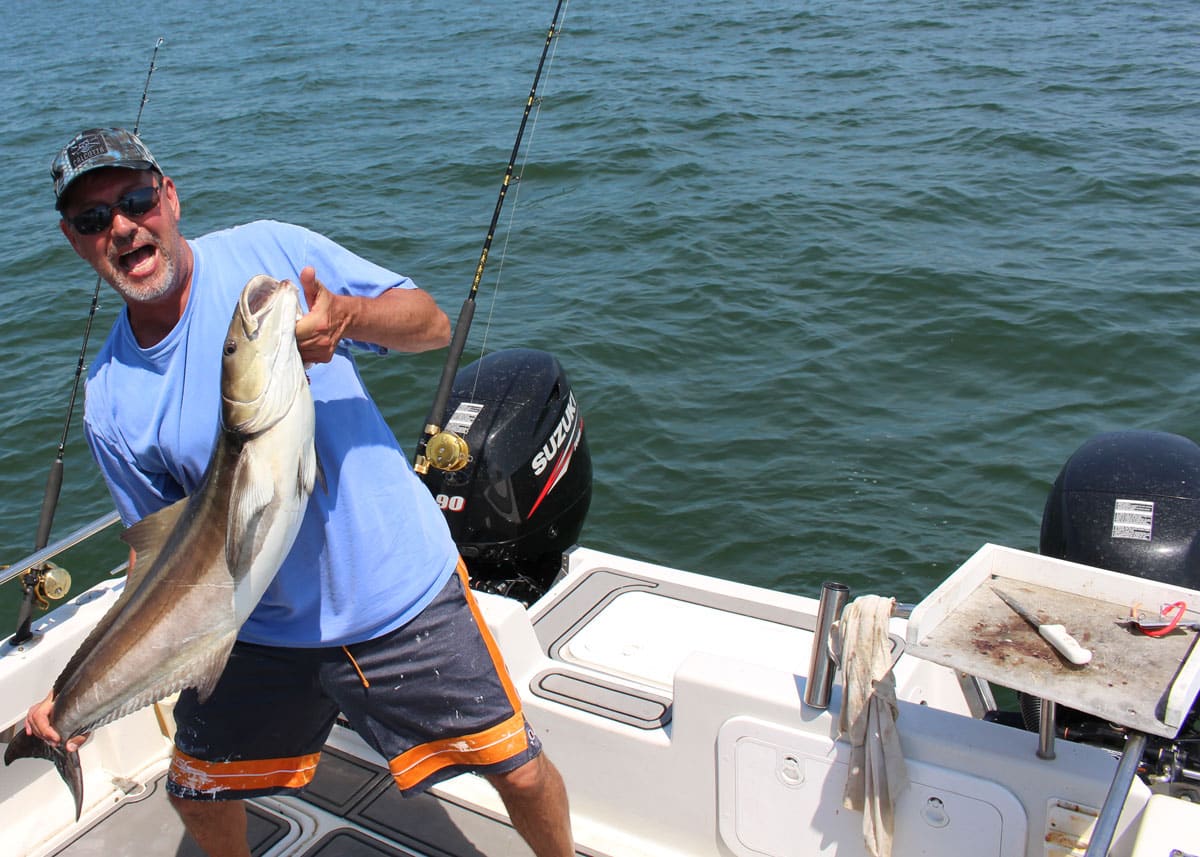
· Pull a mix of #2 and #3 planers so you’re covering multiple depths. Set the deeper divers closer to the boat and the shallower planers farther back, and make sure they’re spaced far enough from each other that the tube from a forward line won’t snag and tangle an aft line if the planer trips without a hook-up. Choose your tubes carefully. Red is always a good bet, but sometimes green or white does the trick so it’s good to pull all of the above with an emphasis on red. And stick with biggies; 24” hoses are usually best, not the skinny 12” or 16” versions.
· Before deploying a hose put the hook through the eye, twist it into a figure-eight, and give a hard tug. This will put a “set” into the tube so it swims harder. Watch it moving through the water and if it drags instead of swimming pull it back up and do it again with a harder tub. Dragging hoses won’t get hit. Also remember to add a ball-bearing swivel in front of the tube and a second one mid-leader, or all that swimming will put a nasty twist into your leader.
Okay, are you ready for an offshore-level challenge that’s one heck of a lot closer to home? Put cobia in the crosshairs.