You know breaks mean fish, but which species prefer which temperature ranges?
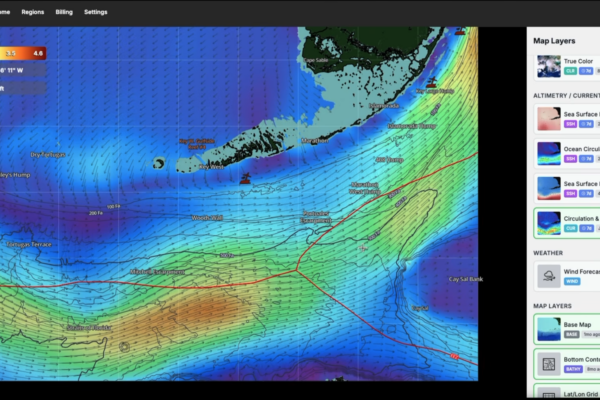
When it comes to checking SST, you already know that the most critical features to look for are hard breaks and abrupt changes. And while there are certainly exceptions, generally speaking, the more significant the break, the more likely it is to hold fish. But which side will they be on? And is one body of water potentially more attractive to one species versus another? Naturally, there are other factors to consider when choosing where you’ll fish—the presence of bait and water clarity, for example—but as you peruse the SST charts, look for prime conditions for these top-targeted species.
Albacore Tuna – Albacore like things on the chilly side, in the low to mid-60s. You may find them in 70-degree water, but it’s rare for them to stick around at this point or find them in anything much warmer.
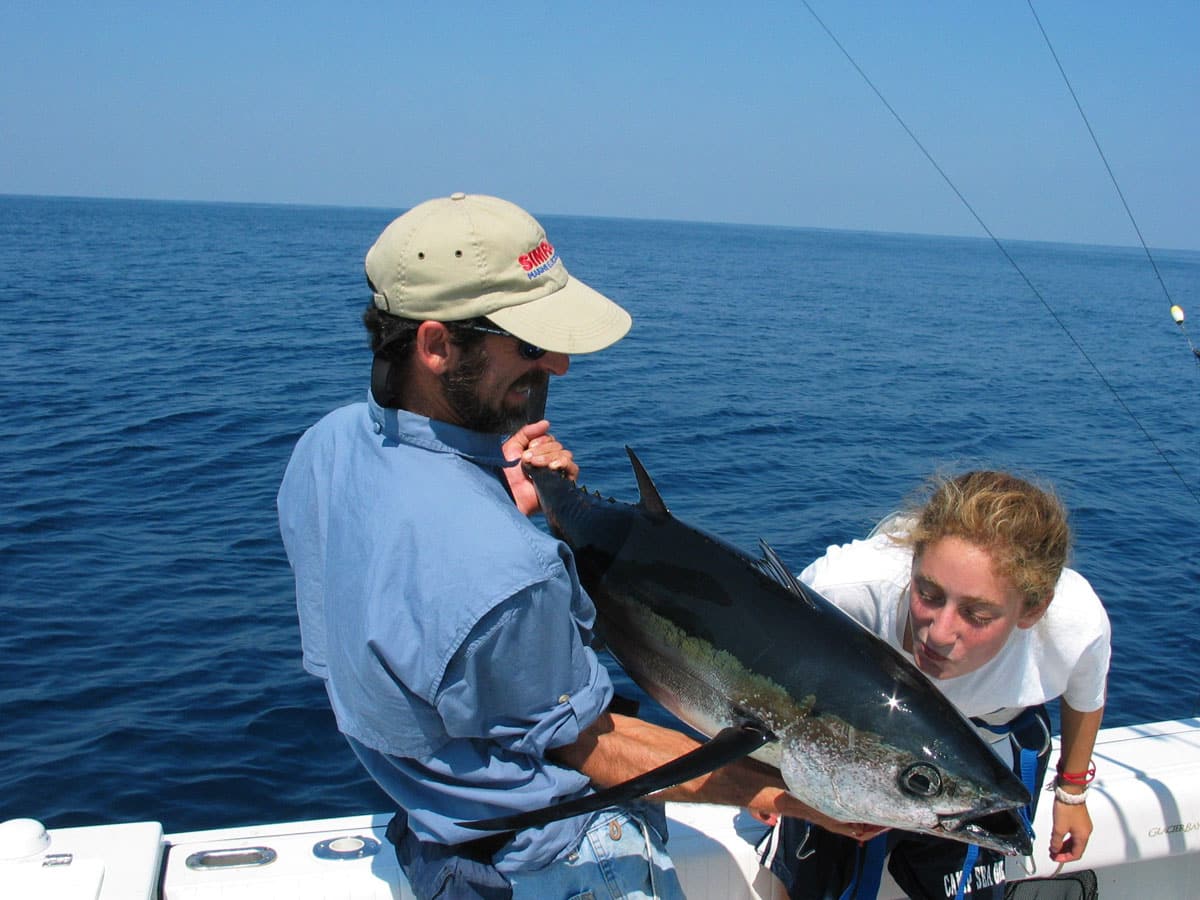
Bigeye Tuna – This species can regulate body temperature, so they tolerate a larger range than most pelagics, from around 55 all the way to 85 degrees. That said, they’re happiest in the mid-60s to the mid-70s. But remember, bigeye also migrate vertically on a daily basis and are accustomed to significant temperature changes. Rather than looking for them in a specific range, it’s usually best to look for them over deepwater structure with surface breaks over the 70-degree mark.
Blackfin Tuna – Blackfin like it a bit warmer than some other tunas and are happy in the 70- to 80-degree range. If water temps drop more than a couple of degrees below 70, they’ll generally leave the area entirely, so avoid long cruises to cooler zones whenever possible.
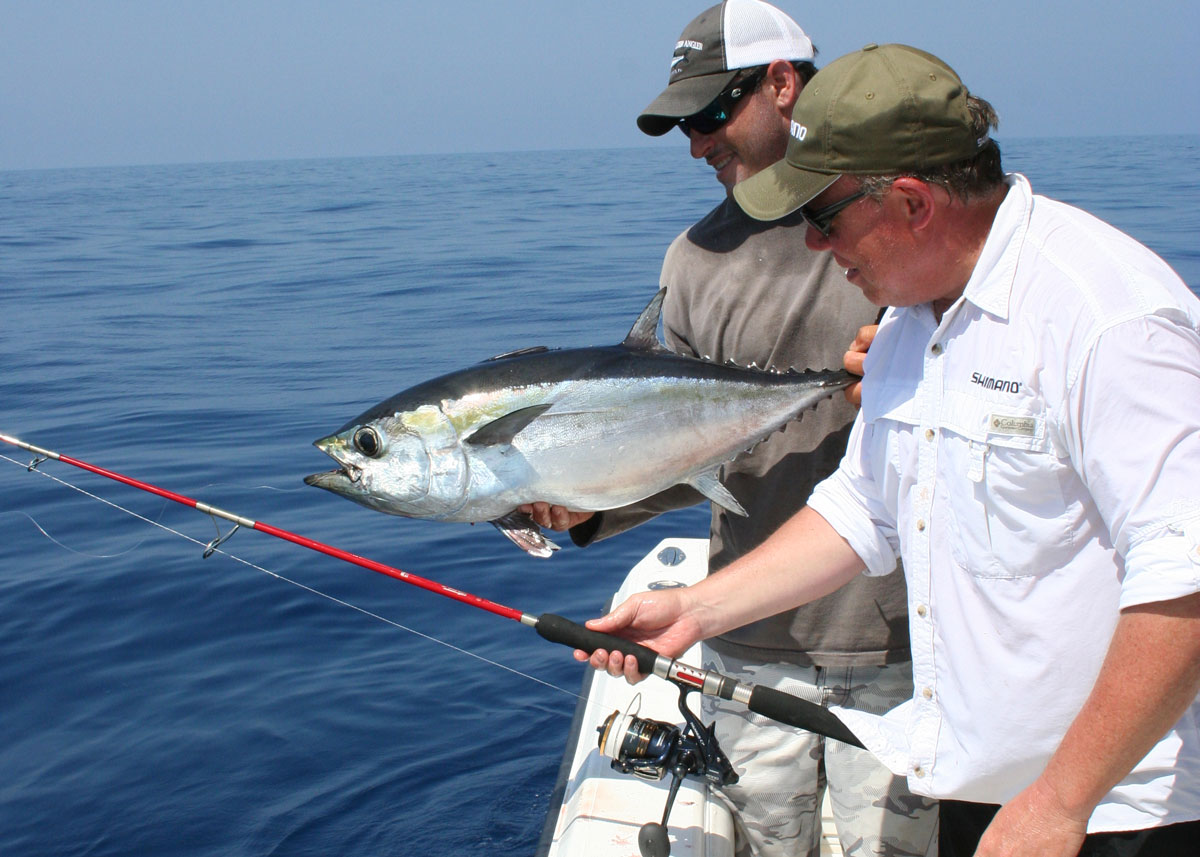
Bluefin Tuna – Bluefin can range from the low 50s to the mid-70s, but water temperatures in the 60s are their favorite. When water temps are in or pushing close to the 70s, it’s common to find them on the cooler side of a break.
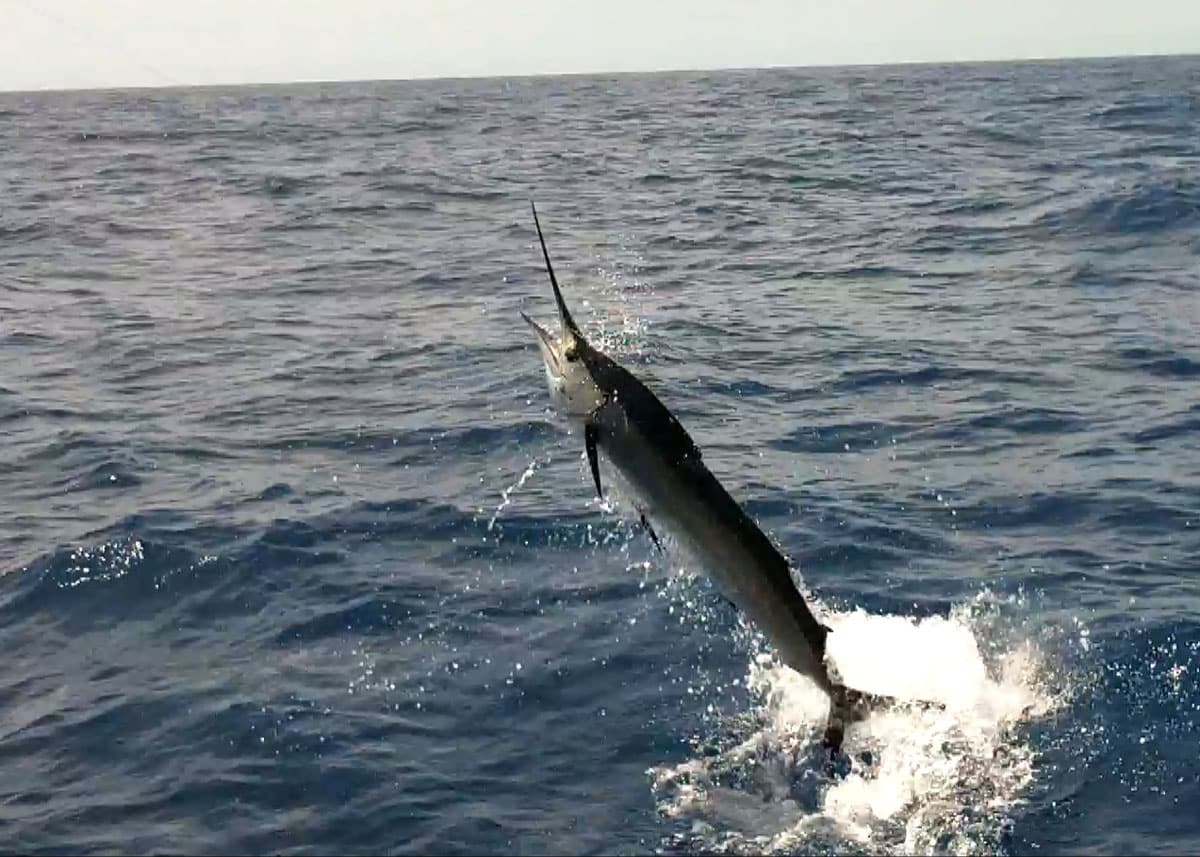
Blue Marlin – Temps in the upper 70s and lower 80s are ideal for blue marlin, and when water temps grow higher, they often dive down deeper to find cooler waters. They strongly prefer clean, clear blue waters, so when this species is the target, checking the chlorophyll charts can provide as much insight as SST.
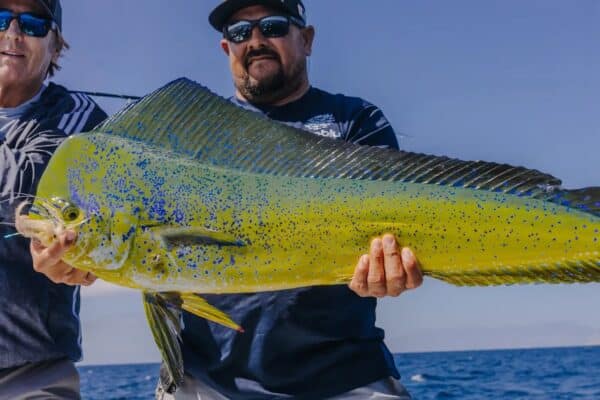
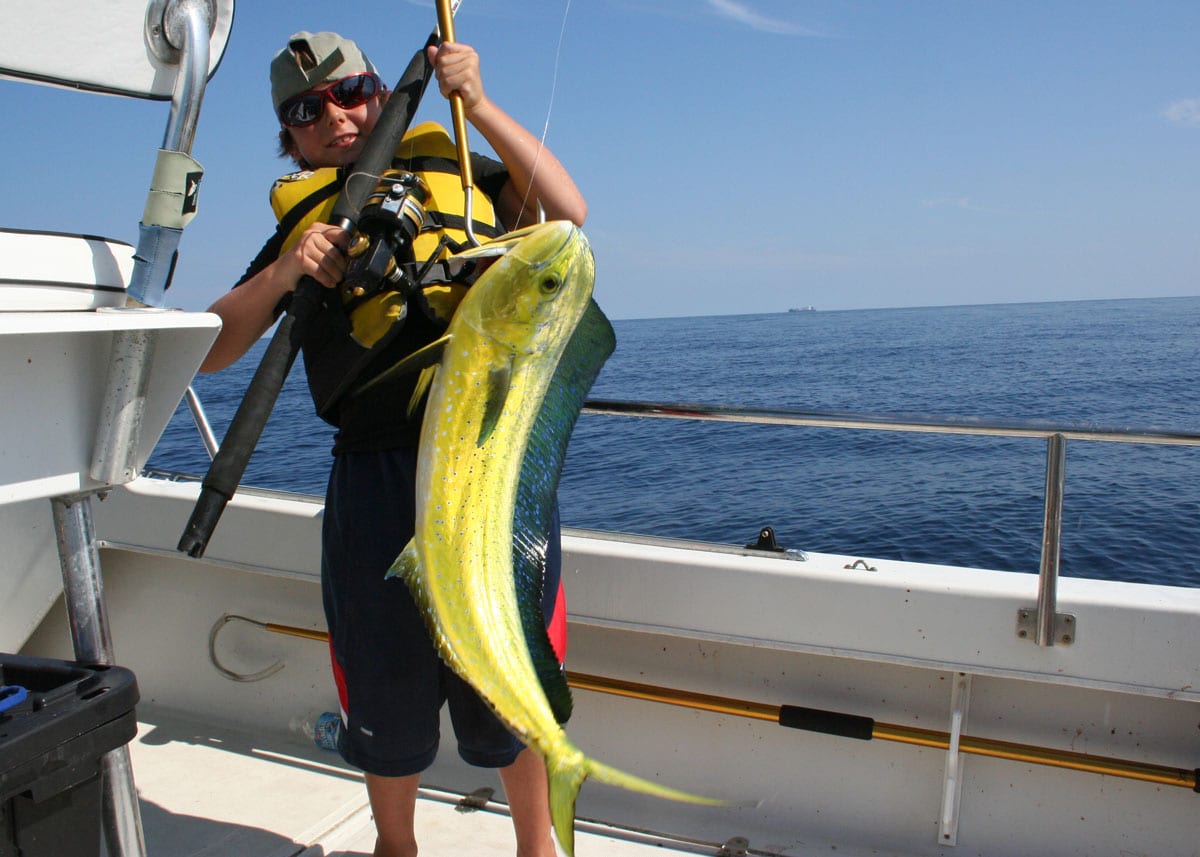
Mahi-mahi – Mahi thrive in water in the upper 70s and low 80s, but they can be surprisingly active down to 70 degrees. When water warms into the upper 80s or 90s, you can still find them, but finding weedlines, buoys, or other forms of shade takes on added importance. Also note that they can become uncharacteristically finicky when it’s uber-hot, and you may need to tease them into biting.
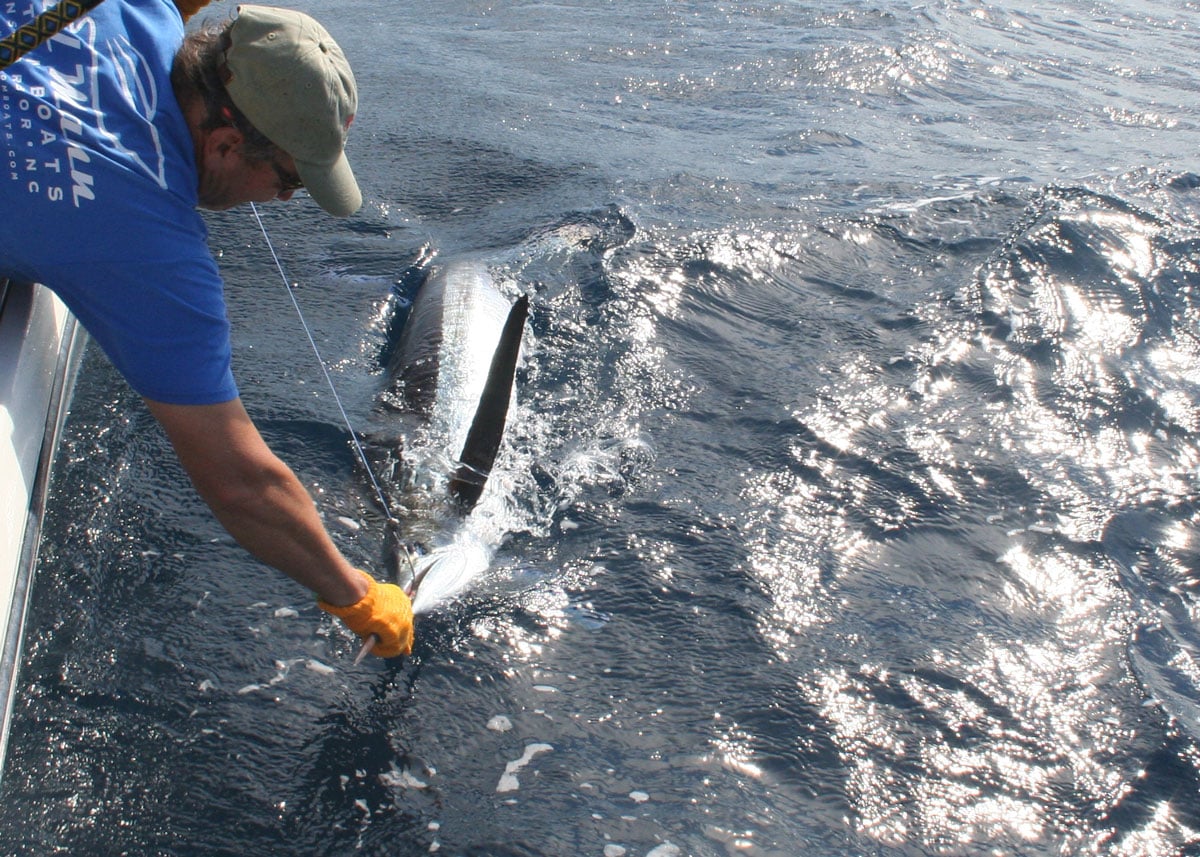
Sailfish – Sailfish prefer temps in the mid- to upper-70s into the low 80s. They can tolerate significantly cooler waters down into the mid-60s, and it’s not unusual to find them on the cool side of a break in the lower end of the range if that’s where the bait is. However, at the other end of the scale, they rarely stick around if water temps get much north of 85 or 86 degrees.
Striped Marlin – These fish enjoy relatively cool waters for a billfish, with temps in the upper 60s to the mid-70s being ideal. Like most billfish, they are sight feeders, so check chlorophyll as well as SST charts when they’re the target.
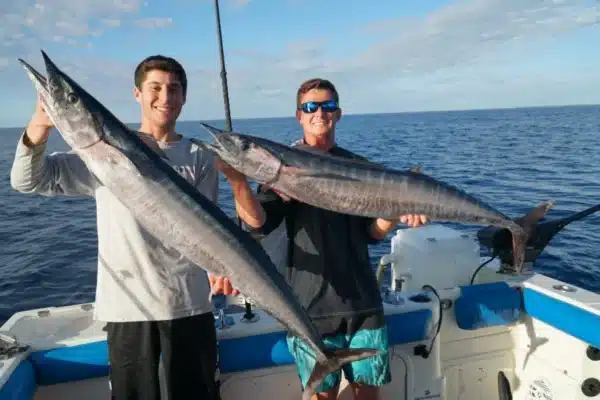
Wahoo – The mid-70s up to 80 or so degrees is the ideal range for wahoo, but in the fall and winter months it’s not uncommon to catch them in water clear down into the upper 60s.
White Marlin – Whites enjoy a fairly wide range of temperatures, and any water in the 70s can prove productive. As with many billfish species, trolling through clear blue water can be just as critical as locating a temp break within their preferred range.
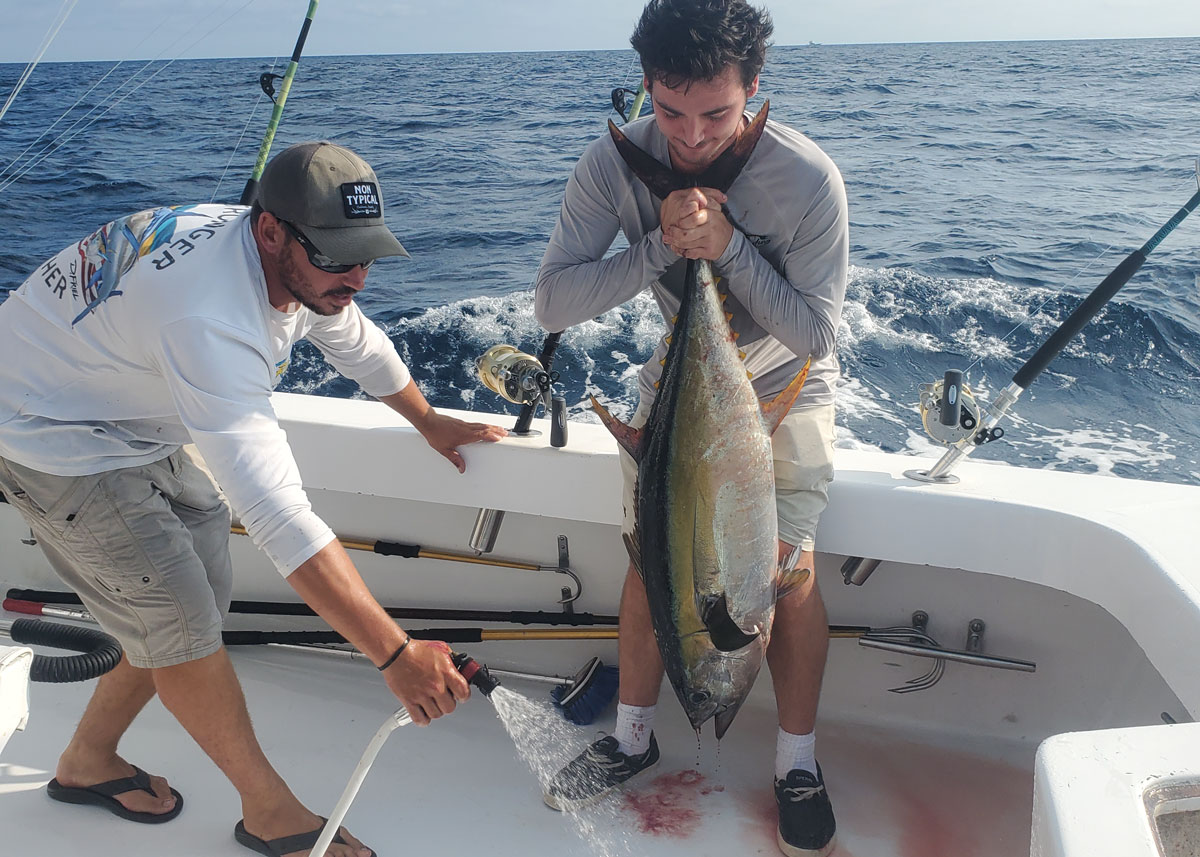
Yellowfin Tuna – Yellowfin enjoy a wide range of water temperatures, from the mid-60s all the way into the mid-80s. Temps in the 70s are what they like the most, but don’t be afraid to probe water on the edge of what yellowfin find barely acceptable; these fish will often follow bait right to the extremes.
Does this mean you’ll never hook a bluefin when the SST charts show 90 degrees? That 82-degree sea surface temperature means wahoo are off the table? Heck no. Fish can dive down to a thermocline to chillax, may follow bait into areas cooler or warmer than they really like it, and may go inactive during the day but feed hard at night. These are wild animals, people—they do what they want. But keep track of what temps they tend to like, what temps they tend to avoid, and the current conditions out on the water, and in the long run you’ll catch more of ‘em.